
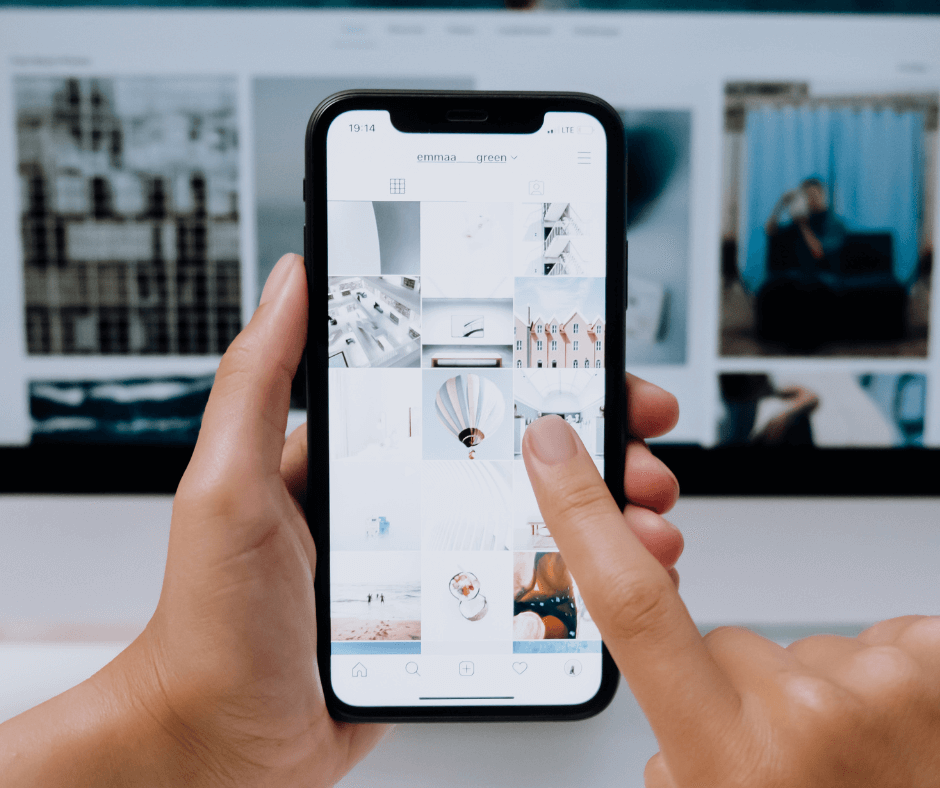
Back in the day – but not too long ago – static websites were the norm. How we browsed websites to get information was fairly basic, but as smartphones began to take shape and preference over how we visited websites, our habits shifted gradually towards a new era of digital interactive storytelling.
To remain relevant and have that competitive edge in 2026, websites are making the transition from static designs to dynamic, real-time experiential engagements that intuitively respond to a user’s context and habits. As users scroll smarter, this need for an immersive browsing experience has become the rule rather than the exception.
The Days Of The Digital Brochure Are Over
One of the common characteristics of earlier websites was the mirror image of a lookbook or a company brochure. It was a static space that you would scroll through with very little imagination to arouse the senses, but the game has changed dramatically.
As a business that is at the coal face of cutting-edge WordPress web development, radiantWEB is seeing a major push away from flashy effects and pretty design methods into something much more profound that is faster, smarter, more inclusive and more human than ever.
The Age of Hyper-Interactive UX
Hyper-Interactive User Experience (UX) is a next-generation design approach that leverages artificial intelligence, real-time data analytics, and behavioural modelling to create highly tailored, dynamic digital interfaces.
What this means is that the internet is learning to be a much better host. Your website experience is no longer a one-size-fits-all party; it’s a bespoke, personal conversation that intuitively responds to your specific context. So, while aesthetics are still important, the main goal is for a website to speak to you like a human. Here are four key aspects to consider:
1. ‘Scroll-telling’: Turning Website Pages into Interactive Stories
Scroll-telling is a modern web design trend that turns linear, long-form website content into an engaging, interactive narrative experience. The simple act of scrolling has evolved significantly. Instead of passive reading, users interact with the site by scrolling, which triggers animations, video changes, or visual transitions that unravel the story as they move down the page.
Old Websites vs Modern Scroll-Led UX
Traditional websites rely on blocks of text and static layouts that forces visitors to think harder to understand what matters. Scroll-telling websites work differently. They behave more like a documentary than a book. As users scroll, key messages are emphasised, visuals evolve, and attention is directed naturally.
Common techniques include:
- Sticky sections that anchor key messages while content unfolds
- Horizontal scroll sections for feature comparisons or timelines
- Subtle parallax effects that add depth without distraction
A practical example is to look at a product launch page on a modern WordPress site, where the product is no longer just a static image with a description. Instead, it rotates or animates as users scroll and its features are introduced one at a time. Core information or benefits remain visible, while supporting details change.
This approach improves comprehension, engagement, and conversion by controlling information density. Users absorb the message without feeling overwhelmed, which is exactly what high-performing UX aims to achieve.
2. AI-Driven Hyper-Personalisation in Web Design
One of the most significant UX trends shaping 2026 is AI-powered personalisation. While this is emerging technology, which most standard websites aren’t making use of yet and are only found on premium builds for larger or more advanced businesses, it will become the norm in years to come. This goes far beyond basic name recognition or location-based messaging. This is about the website acting like a highly attentive butler who anticipates your needs before you even click a button.
Think of it like checking into a luxury boutique hotel where you’ve stayed before. The concierge doesn’t hand you a generic map of the city. Because they know you are a morning person who loves espresso and has a meeting at 9:00 AM, they have your favourite coffee ready at 7:00 AM and a car waiting to take you to the financial district.
They have not changed the entire hotel for you, but they have curated the experience so that exactly what you need is right in front of you, exactly when you need it. While this level of intuitive, hyper-personalised functionality represents the future of the web rather than a standard design, it is becoming the essential gold standard for businesses willing to invest in a truly superior digital edge.
In 2026, a smart WordPress site built with this logic recognises a returning B2B lead and prioritises the case studies they have not yet read, rather than showing them a welcome video they have already seen.
An example of this for a mobile app, the homepage layout, navigation links, and the featured products change dynamically based on your recent browsing history, location, or even the time of day.
So, if you’re a returning customer who only buys coffee pods, the app won’t make you hunt for it; it will place the ‘reorder’ button or a new coffee flavour directly on the home screen. This reduces cognitive load, making the experience feel effortless and bespoke.

3. Neuro-Inclusive UX and Accessibility-First Design
Performance and speed still matter, but empathy is now a core UX principle. The industry is moving beyond basic accessibility compliance towards neuro-inclusive web design. This entails building websites that are comfortable and easy to use for the broadest possible range of people, including those who may find too much motion or clutter distracting.
Example: The Toggle Switch: A premium modern website must offer a ‘Reduce Motion’ setting. Why? For many people, fast-moving, complicated animation can be disorientating or even cause motion sickness.
When enabled:
- Complex animations are replaced with simple fades
- Moving backgrounds become static images
- Visual clarity improves without sacrificing usability
By accommodating to the widest range of human abilities and cognitive styles and moving away from a one-size-fits-all approach, the needs of neurodivergent users (such as ADHD, autism, or dyslexia) are significantly met. Your website isn’t just showing its innovative intelligence, it’s exuding empathy on a human level.
4. The Future is Conversational
Interactivity is going beyond just tapping and scrolling, which is why Multimodal Interfaces (MMIs) are becoming mainstream. MMIs are advanced, human-computer interaction systems that process two or more combined user input modes such as voice and text.
This allows for a natural, flexible, and efficient communication that is subtle, and breaks away from traditional single-mode (unimodal) interaction like keyboard-and-mouse, allowing users to interact simultaneously or interchangeably in a way that is personal and fits their unique context.
Example: Imagine visiting a company’s FAQ page. Instead of scrolling through an endless list of questions, a Conversational UI allows you to simply type a full question or even use your voice (Voice-First Navigation) to get an immediate, natural-sounding answer, much like talking to a helpful assistant. The website is no longer a tool you click; it’s a partner you can talk to.
Designing Websites That Have That Human Touch
Designing websites that feel human involves prioritising empathy, authenticity, and emotional connection. The evolution of scrolling has accelerated the transition from static designs to dynamic, real-time user experiences that intuitively respond to a user’s context and their habits.
The future of web design, especially within the robust WordPress ecosystem, isn’t just about cutting-edge aesthetics – it’s about blending interactive storytelling with sophisticated human intelligence. The subtle animations, narrative structures, and performance-first builds discussed in this blog are merely the visible surface of a deeper shift towards personal, accessible, and genuinely responsive experiences.
When a website works intuitively, reducing effort and anticipating needs, it builds trust and fosters real engagement. For any business looking ahead, the goal should be clear: stop building digital brochures and start crafting warm, engaging digital experiences that feel truly intuitive, helpful, and, ultimately, human.